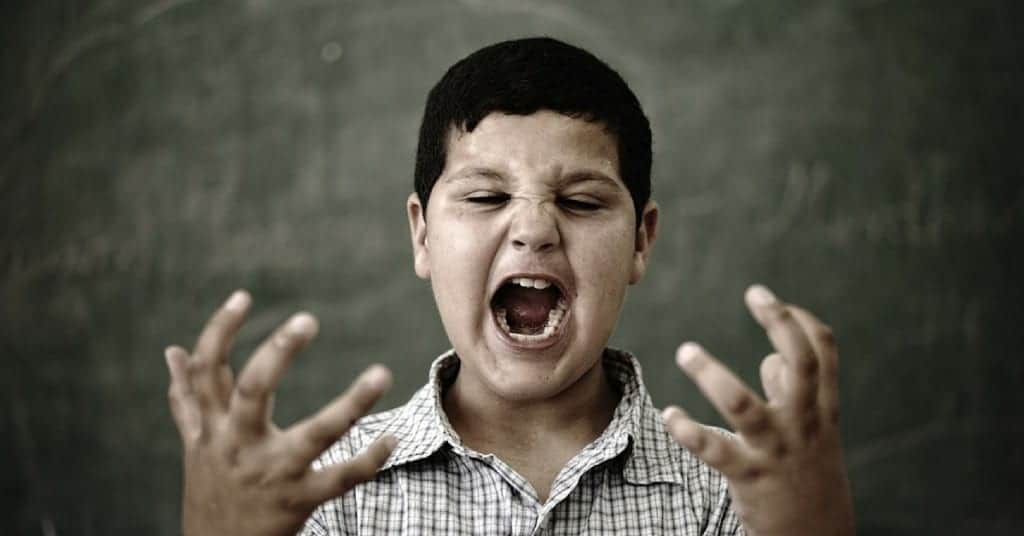
Divorce is becoming more common around the world. This means a changing family dynamic for many children. How are kids coping, especially when there’s hostility between divorcing parents? Let’s take a look.
Changes in Behaviour
Dealing with divorce and its aftermath can negatively affect a child’s emotional and social behaviour, especially in the short term. These kids can exhibit self-esteem issues, poor social skills, and lower academic performance while also experiencing increased stress and anxiety. If one parent suffers from depression or anxiety during the divorce, the impact on the children can be even greater. Children whose parents hide marital conflict before announcing the separation, tend to be surprised and even frightened by the news.
Evidence also shows that adult children of divorce can have problems with commitment and be more likely to end up divorced themselves. This relationship behaviour seems most prevalent if the parental split occurs when the children are young.
Changes in Health
The potential effects of divorce on children are not limited to emotional behaviour. In general, these children seem more prone to illness, possibly a result of stress, sleep issues, and changed lifestyle habits. Even more alarming, a study by the University of Toronto researchers found that children of divorced parents are more likely to begin smoking, which can put their overall health at risk.
Bouncing Back
There is some good news in the research. Studies show that, for many kids, the negative impact of divorce can be short-term. Within a few years, the majority of children have recovered from the difficult experience. In particular, for those couples who have a lot of conflicts prior to the divorce, there can be a positive response from the children who feel the decrease of tension when parents separate.
What does this mean? If parents can limit the conflict and tension during, and after, the divorce proceedings, children are less likely to have long-lasting negative effects. Making the effort to keep relations civil can make a difference in your child’s overall health. Also, the emotional stability of the custodial parent can have a big influence on children, so be sure to take care of yourself. Providing loving reassurance to your children as well as helping them maintain a solid social network can help balance the emotional and physical impact of divorce.
Are You Divorcing and Worried about Your Kids?
Getting a divorce is never easy, but taking your children into account should always be your top concern – making sure your divorce is as smooth as possible is incredibly important.
This is where an experienced divorce lawyer can help. At Galbraith Family Law, we’re familiar with the toll that a divorce will take on spouses and their children, and we make every effort to not only get the best outcome for everyone involved but also support parents and children during the difficult divorce process.
Contact us for more information, and let us take care of your needs, as well as your children’s needs.